
Dental Hygiene
Responsibilities and Dental Hygienist Types
Responsibilities: Dental hygienists in a clinical role assess, diagnose, plan, implement, evaluate and document treatment for prevention, intervention, and control of oral diseases. They work in close collaboration with other health professionals to deliver integrated care (American Dental Hygienist Association).
Dental Hygienist specific duties may also depend on the setting in which they work, their level of degree and experience, and state laws.
Salary: This may vary based on level of the Dental Hygiene degree earned within the options listed below.
Education Levels: While these options may vary, our office most often assist with Bachelor Level Programs.
Associate of Science in Dental Hygiene
- While always an Associate of Science, the official title may vary by school/program.
- These programs are often found at community colleges.
Bachelor of Science in Dental Hygiene
Preparation and Application for Dental Hygiene School
2+2 vs. Degree-Seeking:
2+2 Pathway: This route prepares students to just obtain their pre-requisites here at MSU. Once the pre-requisites are completed and students meet other merit-based requirements, they can apply to a Traditional Dental Hygiene program, or some occasionally apply to Associate Level programs. Students on this path will major in Biological Sciences – Pre-Nursing as that is where all 2+2 students are housed. The courses taken within the first two years will be determined by the student’s schools of interest. Once the student transfers to their Dental Hygiene program, they are no longer a student at MSU.
Degree-Seeking Pathway: This route is for students who intend to complete a degree prior to applying for Dental Hygiene school. After the completion of their degree and other merit-based requirements, students can apply to Dental Hygiene programs. Most of these students will major in Biological Sciences, Kinesiology, Psychology, Human Development and Family Studies, Food Science, Nutrition, and Health Promotion, or Interdisciplinary Studies with the same emphasis areas mentioned above. However, they can major in ANYTHING. They will complete pre-requisites alongside their degree, and in most cases, there is overlap between the two.
GPA: Each school will vary on their minimum GPA requirements, but a 3.0+ is considered competitive. Some may vary in whether or not they look at your overall GPA or just pre-requisite GPA.
Pre-requisites: Required classes for each each Dental Hygiene school will vary by program and can change at any time, so it is wise to periodically check your selected programs’ websites, attend information sessions, and stay in contact with their admissions team. While not limited to or exclusive of, the courses below are examples of commonly required pre-requisites for Dental Hygiene Programs:
English
- English Comp 1 | EN 1103
- English Comp 2 | EN 1113
Biology 1
- Biology 1 with Lab | BIO 1134
General Chemistry 1 and General Chemistry 2
- Chemistry 1 with Lab | CH 1213 and 1211
- Chemistry 2 with Lab | CH 1223 and CH 1221
Anatomy and Physiology
- Human Anatomy with Lab | BIO 3004
- Human Physiology with Lab | BIO 3014
- If taking combined A&P course at other institutions, those cannot be combined with MSU’s Anatomy or Physiology courses to fulfill this requirement. Both need to be taken at other institutions or both at MSU.
- Courses from other professional programs or disciplines (nursing, military medical training, comparative, and non-human focused A&P) will likely not satisfy this requirement.
- BIO 1004 Anatomy and Physiology WILL NOT satisfy any portion of this requirement. It is an introductory course for non-science majors.
Microbiology
- Microbiology with Lab | BIO 3304
Mathematics
- College Algebra (or a Higher Math – Trig/Cal) | MA 1313
Behavioral Sciences
- General Psychology | PSY 1013
- Intro to Sociology | SO 1003
- Human Growth & Development or Developmental Psychology | EPY 2513 or PSY 3803
- Individual and Family Nutrition | FNH 2293
Humanities
The number of humanities and what kind they require may vary by programs.
Humanities typically include the following:
- History
- Literature
- Fine Arts
- Foreign Language
- Philosophy
Additional
- Fundamentals of Public Speaking | CO 1003
- DO NOT TAKE CO 1013 Intro to Communication
- Medical Terminology | KI 2603
Testing Requirements: Some schools may require testing as a part of their admissions process. It will vary by program and program type. The most common testing requirement you may see for Dental Hygiene Programs will be the ACT. For Bachelor-level programs 20+ is considered competitive.
Observations/Shadowing: This can vary by Dental Hygiene program, so pay attention to what your program of interest requires. Even if not required, it is always encouraged. It can be a good way to ensure you are truly interested in pursuing dental hygiene. Additionally, it can give you specific experiences to talk about in applications or interviews. Any experience that you can showcase can help you stand out!
Involvement/Extracurriculars: Admissions committees can derive a skillset from anything that you do. For students who are working while in their undergrad, they may not be involved in as many clubs, teams, and organizations. And that is okay in the holistic review process! Our goal is to be a well-rounded pre-professional student and that will look different for each individual.
Service: At MSU, we pride ourselves on going wherever we are called to serve and volunteering our time to those in need. Volunteering for your local, campus, and/or abroad communities is not only rewarding, but it can also allow you to grow in ways that nothing else can teach you. Empathy and compassion are admirable qualities of a healthcare provider, and volunteering is a fantastic way to learn and showcase those qualities about yourself. Remember, we don't just say we are these things, we do the things to prove it.
Letters of Recommendation: Dental Hygiene Schools will vary in this requirement. Some will ask for specific people as recommenders, while others may only request an amount without specifying who they should be. Many programs require at least one letter coming from Strong recommenders might be your supervisors, professors, advisors, or anyone that can attest to your abilities, ethics, and character. To be professional, always ask someone before you list them as a recommender.
Radiological Sciences
Responsibilities and Radiological Scientist Types
Responsibilities: Radiologic technologists perform diagnostic imaging examinations on patients.
Salary: This may vary based on level of the Radiological Sciences degree earned within the options listed below.
Education Levels: While these options may vary, our office most often assist with Bachelor Level Programs.
Associate of Science in Radiological Sciences
- While always an Associate of Science, the official title may vary by school/program.
- These programs are often found at community colleges.
Bachelor of Science in Radiological Sciences
Preparation and Application for Radiological Sciences School
2+2 vs. Degree-Seeking:
2+2 Pathway: This route prepares students to just obtain their pre-requisites here at MSU. Once the pre-requisites are completed and students meet other merit-based requirements, they can apply to a Traditional Radiological Sciences program, or some occasionally apply to Associate Level programs. Students on this path will major in Biological Sciences – Pre-Nursing as that is where all 2+2 students are housed. The courses taken within the first two years will be determined by the student’s schools of interest. Once the student transfers to their Radiological Sciences program, they are no longer a student at MSU.
Degree-Seeking Pathway: This route is for students who intend to complete a degree prior to applying for Radiological Sciences school. After the completion of their degree and other merit-based requirements, students can apply to Radiological Sciences programs. Most of these students will major in Biological Sciences, Kinesiology, Psychology, Human Development and Family Studies, Food Science, Nutrition, and Health Promotion, or Interdisciplinary Studies with the same emphasis areas mentioned above. However, they can major in ANYTHING. They will complete pre-requisites alongside their degree, and in most cases, there is overlap between the two.
GPA: Each school will vary on their minimum GPA requirements, but a 3.0+ is considered competitive. Some may vary in whether or not they look at your overall GPA or just pre-requisite GPA.
Pre-requisites: Required classes for each each Radiological Sciences school will vary by program and can change at any time, so it is wise to periodically check your selected programs’ websites, attend information sessions, and stay in contact with their admissions team. While not limited to or exclusive of, the courses below are examples of commonly required pre-requisites for Radiological Sciences Programs:
English
- English Comp 1 | EN 1103
- English Comp 2 | EN 1113
Behavioral Sciences
- General Psychology | PSY 1013
- Intro to Sociology | SO 1003
- Human Growth & Development or Developmental Psychology | EPY 2513 or PSY 3803
- Individual and Family Nutrition | FNH 2293
Mathematics
- College Algebra (or a Higher Math – Trig/Cal) | MA 1313
- Intro to Statistics | ST 2113
- Some programs may require a specific type of statistics course like Inferential Statistics, or they may not accept other types of statistics courses like Behavioral, Psych, or Business Statistics.
Chemistry
- Chemistry 1 with Lab | CH 1213 and 1211
Anatomy and Physiology
- Human Anatomy with Lab | BIO 3004
- Human Physiology with Lab | BIO 3014
- If taking combined A&P course at other institutions, those cannot be combined with MSU’s Anatomy or Physiology courses to fulfill this requirement. Both need to be taken at other institutions or both at MSU.
- Courses from other professional programs or disciplines (nursing, military medical training, comparative, and non-human focused A&P) will likely not satisfy this requirement.
- BIO 1004 Anatomy and Physiology WILL NOT satisfy any portion of this requirement. It is an introductory course for non-science majors.
Additional
- Fundamentals of Public Speaking | CO 1003
- DO NOT TAKE CO 1013 Intro to Communication
- Medical Terminology | KI 2603
- Computer Applications | TECH 1273
Testing Requirements: Some schools may require testing as a part of their admissions process. It will vary by program and program type. The most common testing requirement you may see for Radiological Sciences Programs will be the ACT. For Bachelor-level programs, some only require an 18, but 20+ is considered competitive.
Observations/Shadowing: While this is not always required for Radiological Sciences programs, it is always encouraged. It can be a good way to ensure you are truly interested in pursuing radiological sciences. Additionally, it can give you specific experiences to talk about in applications or interviews. Any experience that you can showcase can help you stand out!
Involvement/Extracurriculars: Admissions committees can derive a skillset from anything that you do. For students who are working while in their undergrad, they may not be involved in as many clubs, teams, and organizations. And that is okay in the holistic review process! Our goal is to be a well-rounded pre-professional student and that will look different for each individual.
Service: At MSU, we pride ourselves on going wherever we are called to serve and volunteering our time to those in need. Volunteering for your local, campus, and/or abroad communities is not only rewarding, but it can also allow you to grow in ways that nothing else can teach you. Empathy and compassion are admirable qualities of a healthcare provider, and volunteering is a fantastic way to learn and showcase those qualities about yourself. Remember, we don't just say we are these things, we do the things to prove it.
Letters of Recommendation: Radiological Sciences Schools will vary in this requirement. Some will ask for specific people as recommenders, while others may only request an amount without specifying who they should be. Many programs require at least one letter coming from Strong recommenders might be your supervisors, professors, advisors, or anyone that can attest to your abilities, ethics, and character. To be professional, always ask someone before you list them as a recommender.
Considering other health professions or pathways that are not listed in our services?
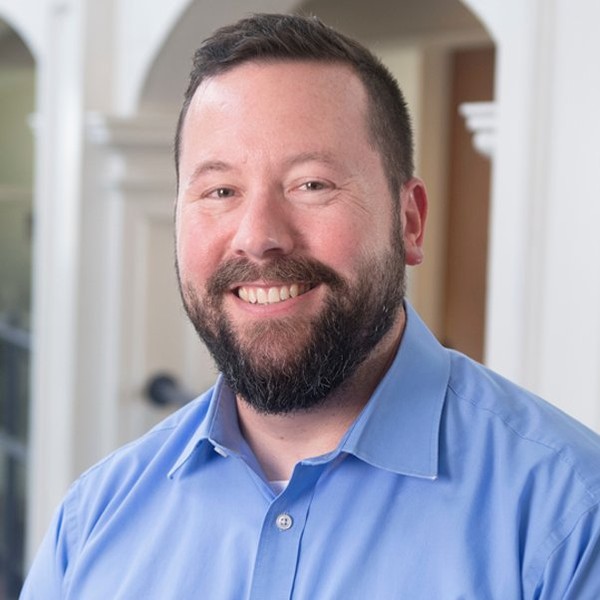
Not to worry! Our MSU Career Center Pre-Health Liaison, Daniel Morgan, can also help! From Audiology to Perfusion and beyond, he is happy to help students explore and prepare for healthcare professions. The MSU Career Center also partners with HPRC to prepare students for application, resume writing, interviews, and more.
 |
 |
|---|---|
| Appointments with Daniel Morgan | MSU Career Center Appointments |